AI GOVERNANCE & PRIVACY
AI GOVERNANCE & PRIVACY
AI GOVERNANCE & PRIVACY
Policies do not implement Themselves
Policies do not implement Themselves
Policies do not implement Themselves
AI is already inside the business. The question is whether anything beneath
it can hold.
AI is already inside the business. The question is whether anything beneath
it can hold.
AI is already inside the business. The question is whether anything beneath
it can hold.

AI READINESS
AI READINESS
AI READINESS
Turning AI risk into managed operations
Turning AI risk into managed operations
Turning AI risk into managed operations
A practical conversation about governance, privacy, and operational readiness.
A practical conversation about governance, privacy, and operational readiness.
A practical conversation about governance, privacy, and operational readiness.
Customers are already asking harder questions in onboarding, procurement, diligence, security reviews, and contracts. Most companies have AI everywhere, a policy somewhere, and no governance system they can actually show.
Customers are already asking harder questions in onboarding, procurement, diligence, security reviews, and contracts. Most companies have AI everywhere, a policy somewhere, and no governance system they can actually show.
Customers are already asking harder questions in onboarding, procurement, diligence, security reviews, and contracts. Most companies have AI everywhere, a policy somewhere, and no governance system they can actually show.
We help clients build the operational layer underneath: ownership, privacy controls, review paths, documentation, and governance that works in practice. For many clients, this becomes part of a broader embedded Chief Legal Office function.
We help clients build the operational layer underneath: ownership, privacy controls, review paths, documentation, and governance that works in practice. For many clients, this becomes part of a broader embedded Chief Legal Office function.
We help clients build the operational layer underneath: ownership, privacy controls, review paths, documentation, and governance that works in practice. For many clients, this becomes part of a broader embedded Chief Legal Office function.
Schedule a Consultation
Schedule a Consultation
Schedule a Consultation
GO TIME
GO TIME
GO TIME
The Pressure is
already here
The Pressure is
already here
The Pressure is
already here
Most companies did not start with a coordinated AI strategy.
Teams adopted tools independently. Vendors added AI
features quietly. Product groups moved faster than
internal review processes.
Now the questions are arriving.
Most companies did not start with a coordinated AI strategy.
Teams adopted tools independently. Vendors added AI
features quietly. Product groups moved faster than
internal review processes.
Now the questions are arriving.
Most companies did not start with a coordinated AI strategy.
Teams adopted tools independently. Vendors added AI
features quietly. Product groups moved faster than
internal review processes.
Now the questions are arriving.
01
01
01
Teams adopt AI tools faster than leadership realizes.
Teams adopt AI tools faster than leadership realizes.
Teams adopt AI tools faster than leadership realizes.
02
02
02
Customers, procurement teams, investors, or security reviewers begin asking harder questions.
Customers, procurement teams, investors, or security reviewers begin asking harder questions.
Customers, procurement teams, investors, or security reviewers begin asking harder questions.
03
03
03
The business realizes there is no clear ownership, review path, or governance structure underneath the answers being given.
The business realizes there is no clear ownership, review path, or governance structure underneath the answers being given.
The business realizes there is no clear ownership, review path, or governance structure underneath the answers being given.
That is usually the moment AI governance stops being theoretical.
That is usually the moment AI governance stops being theoretical.
That is usually the moment AI governance stops being theoretical.
THE PROBLEM
THE PROBLEM
THE PROBLEM
What companies
usually have
What companies
usually have
What companies
usually have
Most organizations already have AI in use. What they often lack is visibility, ownership, and operational coordination.
Different teams use different tools. Vendor terms have not been reviewed closely. Internal guidance is informal. Policies exist in drafts but not in practice. No one is fully accountable for governance across the business.
That is not governance. That is drift.
Most organizations already have AI in use. What they often lack is visibility, ownership, and operational coordination.
Different teams use different tools. Vendor terms have not been reviewed closely. Internal guidance is informal. Policies exist in drafts but not in practice. No one is fully accountable for governance across the business.
That is not governance. That is drift.
Most organizations already have AI in use. What they often lack is visibility, ownership, and operational coordination.
Different teams use different tools. Vendor terms have not been reviewed closely. Internal guidance is informal. Policies exist in drafts but not in practice. No one is fully accountable for governance across the business.
That is not governance. That is drift.
A customer asks whether you have an AI governance policy. A procurement team asks who owns AI risk. A contract asks whether customer data is used to train models. An onboarding form asks about logging, vendor controls, incident response, or audit rights.
Many companies make the right claims. Very few can produce the operating structure behind them.
A customer asks whether you have an AI governance policy. A procurement team asks who owns AI risk. A contract asks whether customer data is used to train models. An onboarding form asks about logging, vendor controls, incident response, or audit rights.
Many companies make the right claims. Very few can produce the operating structure behind them.
A customer asks whether you have an AI governance policy. A procurement team asks who owns AI risk. A contract asks whether customer data is used to train models. An onboarding form asks about logging, vendor controls, incident response, or audit rights.
Many companies make the right claims. Very few can produce the operating structure behind them.
RISK
RISK
RISK
Governance drift
is still drift
Governance drift
is still drift
Governance drift
is still drift
Most companies do not run into AI governance problems because they ignored AI entirely.
They run into problems because adoption outran accountability.
Governance fails quietly first.
A tool gets approved without review. A vendor agreement is signed without understanding how data is handled. Teams begin using systems differently. Customer expectations evolve faster than internal controls.
Eventually someone asks a question the business cannot confidently answer. That is usually where privacy exposure, operational inconsistency, and governance risk become visible.
Most companies do not run into AI governance problems because they ignored AI entirely.
They run into problems because adoption outran accountability.
Governance fails quietly first.
A tool gets approved without review. A vendor agreement is signed without understanding how data is handled. Teams begin using systems differently. Customer expectations evolve faster than internal controls.
Eventually someone asks a question the business cannot confidently answer. That is usually where privacy exposure, operational inconsistency, and governance risk become visible.
Most companies do not run into AI governance problems because they ignored AI entirely.
They run into problems because adoption outran accountability.
Governance fails quietly first.
A tool gets approved without review. A vendor agreement is signed without understanding how data is handled. Teams begin using systems differently. Customer expectations evolve faster than internal controls.
Eventually someone asks a question the business cannot confidently answer. That is usually where privacy exposure, operational inconsistency, and governance risk become visible.
HUMAN OWNERSHIP
HUMAN OWNERSHIP
HUMAN OWNERSHIP
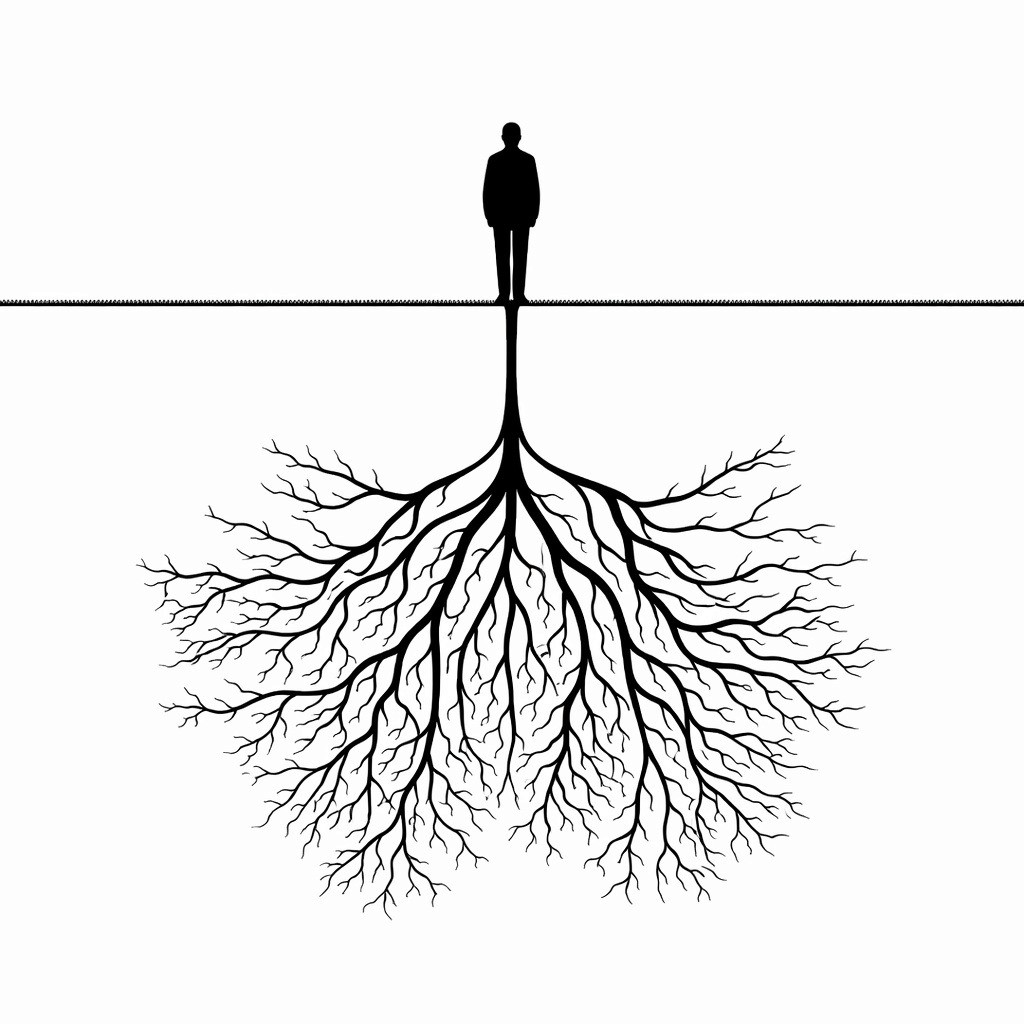
Governance needs
a home inside the
business
Governance needs
a home inside the
business
Governance needs
a home inside the
business
A policy alone is not a program.
Real governance has ownership.
Systems are inventoried. Risks are tiered. Review paths exist. Vendor terms are reviewed. Privacy controls reflect how data is actually used. Someone is responsible for decisions before problems surface.
Training happens before the business assumes everyone understands the rules. Monitoring exists so governance evolves alongside the company’s AI footprint.
That is the difference between a document and a functioning governance program.
In many companies, this work naturally lands inside the Chief Legal Office because legal sits closest to privacy exposure, customer diligence, vendor risk, operational accountability, and the allocation of responsibility across the business.
A policy alone is not a program.
Real governance has ownership.
Systems are inventoried. Risks are tiered. Review paths exist. Vendor terms are reviewed. Privacy controls reflect how data is actually used. Someone is responsible for decisions before problems surface.
Training happens before the business assumes everyone understands the rules. Monitoring exists so governance evolves alongside the company’s AI footprint.
That is the difference between a document and a functioning governance program.
In many companies, this work naturally lands inside the Chief Legal Office because legal sits closest to privacy exposure, customer diligence, vendor risk, operational accountability, and the allocation of responsibility across the business.
A policy alone is not a program.
Real governance has ownership.
Systems are inventoried. Risks are tiered. Review paths exist. Vendor terms are reviewed. Privacy controls reflect how data is actually used. Someone is responsible for decisions before problems surface.
Training happens before the business assumes everyone understands the rules. Monitoring exists so governance evolves alongside the company’s AI footprint.
That is the difference between a document and a functioning governance program.
In many companies, this work naturally lands inside the Chief Legal Office because legal sits closest to privacy exposure, customer diligence, vendor risk, operational accountability, and the allocation of responsibility across the business.
FRACTIONAL IS FUNDABLE
FRACTIONAL IS FUNDABLE
FRACTIONAL IS FUNDABLE
What we build
What we build
What we build
We help clients move from informal AI use to a governance program the business can actually operate.
That starts with understanding what is already in play: the tools in use, the data involved, the vendors in the stack, the teams affected, and the decisions already being made without a formal review path.
From there, we help clients build governance that fits the business itself, not a theoretical framework disconnected from operations.
We help clients move from informal AI use to a governance program the business can actually operate.
That starts with understanding what is already in play: the tools in use, the data involved, the vendors in the stack, the teams affected, and the decisions already being made without a formal review path.
From there, we help clients build governance that fits the business itself, not a theoretical framework disconnected from operations.
We help clients move from informal AI use to a governance program the business can actually operate.
That starts with understanding what is already in play: the tools in use, the data involved, the vendors in the stack, the teams affected, and the decisions already being made without a formal review path.
From there, we help clients build governance that fits the business itself, not a theoretical framework disconnected from operations.
Talk to a clo
Talk to a clo
Talk to a clo
AI system inventory and use-case review
Governance role mapping and ownership assignment
Risk-tiering and issue triage
AI governance program design and implementation
Vendor diligence, DPA review, and AI contract terms
Privacy review for AI tools, workflows,
and product features
Assessments, documentation, and approval workflows
AI use, acceptable use, privacy, and vendor policies
Monitoring and internal governance support
Audit readiness and ISO 42001 preparation
AI system inventory and use-case review
Governance role mapping and ownership assignment
Risk-tiering and issue triage
AI governance program design and implementation
Vendor diligence, DPA review, and AI contract terms
Privacy review for AI tools, workflows,
and product features
Assessments, documentation, and approval workflows
AI use, acceptable use, privacy, and vendor policies
Monitoring and internal governance support
Audit readiness and ISO 42001 preparation
AI system inventory and use-case review
Governance role mapping and ownership assignment
Risk-tiering and issue triage
AI governance program design and implementation
Vendor diligence, DPA review, and AI contract terms
Privacy review for AI tools, workflows,
and product features
Assessments, documentation, and approval workflows
AI use, acceptable use, privacy, and vendor policies
Monitoring and internal governance support
Audit readiness and ISO 42001 preparation
PRIVACY
PRIVACY
PRIVACY
Privacy is usually where it surfaces first
Privacy is usually where it surfaces first
Privacy is usually where it surfaces first
For many companies, the first visible AI governance issue is a privacy issue. It appears in customer diligence, vendor review, product design discussions, internal tool use, procurement questionnaires, and contract negotiations.
Weak governance usually surfaces first in privacy because privacy is where vague ownership and undocumented processes become visible fastest.
That is why AI governance and privacy sit so closely together in practice.
For many companies, the first visible AI governance issue is a privacy issue. It appears in customer diligence, vendor review, product design discussions, internal tool use, procurement questionnaires, and contract negotiations.
Weak governance usually surfaces first in privacy because privacy is where vague ownership and undocumented processes become visible fastest.
That is why AI governance and privacy sit so closely together in practice.
For many companies, the first visible AI governance issue is a privacy issue. It appears in customer diligence, vendor review, product design discussions, internal tool use, procurement questionnaires, and contract negotiations.
Weak governance usually surfaces first in privacy because privacy is where vague ownership and undocumented processes become visible fastest.
That is why AI governance and privacy sit so closely together in practice.
Our Privacy Experience
Includes:
Our Privacy Experience
Includes:
Our Privacy Experience
Includes:
CCPA and CPRA compliance support
GDPR operational readiness
DSAR response workflows and documentation
Vendor privacy review and DPA negotiation
Privacy program implementation support
Internal privacy governance and escalation processes
Customer and procurement privacy diligence support
CCPA and CPRA compliance support
GDPR operational readiness
DSAR response workflows and documentation
Vendor privacy review and DPA negotiation
Privacy program implementation support
Internal privacy governance and escalation processes
Customer and procurement privacy diligence support
CCPA and CPRA compliance support
GDPR operational readiness
DSAR response workflows and documentation
Vendor privacy review and DPA negotiation
Privacy program implementation support
Internal privacy governance and escalation processes
Customer and procurement privacy diligence support
evidence-based results
evidence-based results
evidence-based results
The goal is not
more paper
The goal is not
more paper
The goal is not
more paper
The goal is a governance program the business can
stand on.
The goal is a governance program the business can
stand on.
The goal is a governance program the business can
stand on.
Clients should leave this process with clearer ownership, stronger visibility into AI use, better privacy controls, operational accountability, and governance that can withstand hard questions when they arrive.
Clients should leave this process with clearer ownership, stronger visibility into AI use, better privacy controls, operational accountability, and governance that can withstand hard questions when they arrive.
Clients should leave this process with clearer ownership, stronger visibility into AI use, better privacy controls, operational accountability, and governance that can withstand hard questions when they arrive.
WHAT WE DO
WHAT WE DO
WHAT WE DO
Our approach
Our approach
Our approach
Most firms advise on AI risk when a specific issue surfaces. Few help build the operating structure that runs between those moments inside a functioning Chief Legal Office.
That is where we work.
Most firms advise on AI risk when a specific issue surfaces. Few help build the operating structure that runs between those moments inside a functioning Chief Legal Office.
That is where we work.
Most firms advise on AI risk when a specific issue surfaces. Few help build the operating structure that runs between those moments inside a functioning Chief Legal Office.
That is where we work.
We help clients assess the current state, build the governance foundation, and stay close enough to support the implementation, decision-making, and operational follow-through required to make the program workable over time.
Where the work calls for it, that can include ongoing support around governance cadence, vendor review, issue triage, internal accountability, customer diligence, and readiness for regulatory or investor scrutiny.
We help clients assess the current state, build the governance foundation, and stay close enough to support the implementation, decision-making, and operational follow-through required to make the program workable over time.
Where the work calls for it, that can include ongoing support around governance cadence, vendor review, issue triage, internal accountability, customer diligence, and readiness for regulatory or investor scrutiny.
We help clients assess the current state, build the governance foundation, and stay close enough to support the implementation, decision-making, and operational follow-through required to make the program workable over time.
Where the work calls for it, that can include ongoing support around governance cadence, vendor review, issue triage, internal accountability, customer diligence, and readiness for regulatory or investor scrutiny.
FAQs
FAQs
FAQs
Frequently asked Questions
Frequently asked Questions
Frequently asked Questions
For teams scaling fast or managing complex deals, we build a fully dedicated legal function around you.
For teams scaling fast or managing complex deals, we build a fully dedicated legal function around you.
For teams scaling fast or managing complex deals, we build a fully dedicated legal function around you.
When do companies usually call you about AI and privacy?
We’re busy shipping. How much of this is hands on versus theoretical?
How do you handle multi jurisdiction issues (EU, US, etc.) without slowing us down?
How do you deal with shadow AI use (ChatGPT, Copilot, vendor embedded AI)?
What if we’ve already had a privacy or AI incident?
What’s the outcome of working with you on AI + privacy?
How do you turn AI + privacy governance into a sales advantage?
What do you actually deliver, beyond policies?
How do you work with our existing legal/privacy/security teams?
What happens when things don’t go as planned (DSARs, breaches, etc.)?
When do companies usually call you about AI and privacy?
What’s the outcome of working with you on AI + privacy?
We’re busy shipping. How much of this is hands on versus theoretical?
How do you turn AI + privacy governance into a sales advantage?
How do you handle multi jurisdiction issues (EU, US, etc.) without slowing us down?
What do you actually deliver, beyond policies?
How do you deal with shadow AI use (ChatGPT, Copilot, vendor embedded AI)?
How do you work with our existing legal/privacy/security teams?
What if we’ve already had a privacy or AI incident?
What happens when things don’t go as planned (DSARs, breaches, etc.)?
Bring AI Governance
Into the Chief Legal Office
Bring AI Governance
Into the Chief Legal Office
Bring AI Governance
Into the Chief Legal Office
AI governance becomes operational the moment the business has to answer for it. We help companies build governance structures that hold up in practice, not just in policy binders.
AI governance becomes operational the moment the business has to answer for it. We help companies build governance structures that hold up in practice, not just in policy binders.
AI governance becomes operational the moment the business has to answer for it. We help companies build governance structures that hold up in practice, not just in policy binders.
Your Fractional
Chief Legal Office

About Unified
What We Do
© 2026 Unified Law Group, PB LLC
Your Fractional
Chief Legal Office
About Unified
What We Do
© 2026 Unified Law Group, PB LLC
Legal Hub
Your Fractional
Chief Legal Office
About Unified
What We Do
© 2026 Unified Law Group, PB LLC
Legal Hub